The full ingredient list
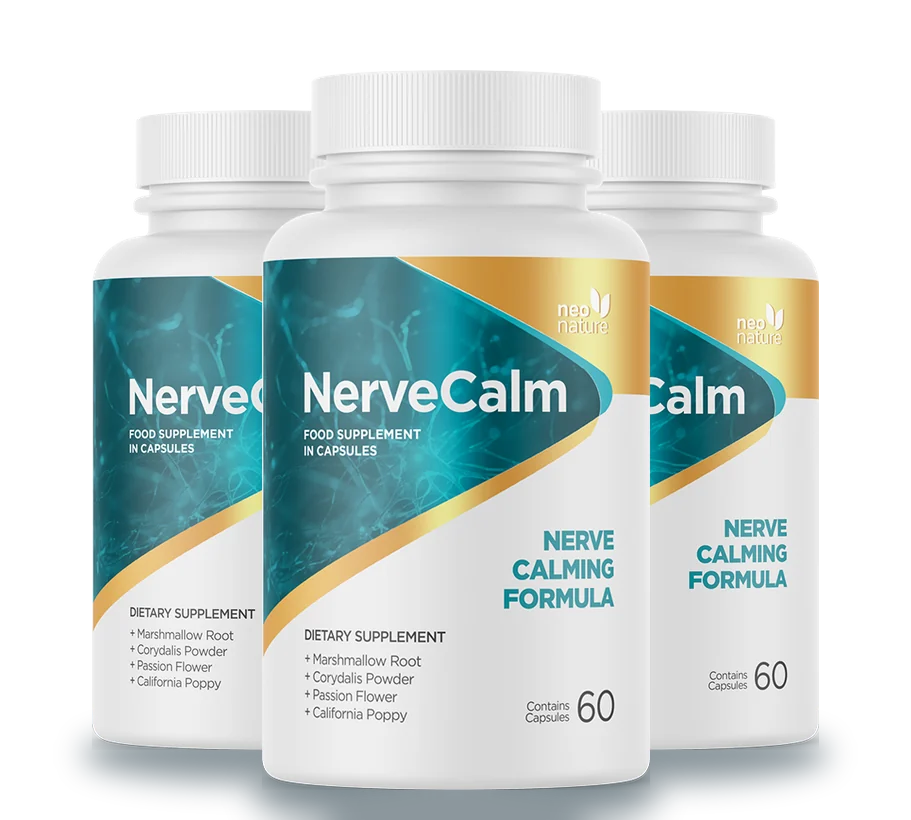
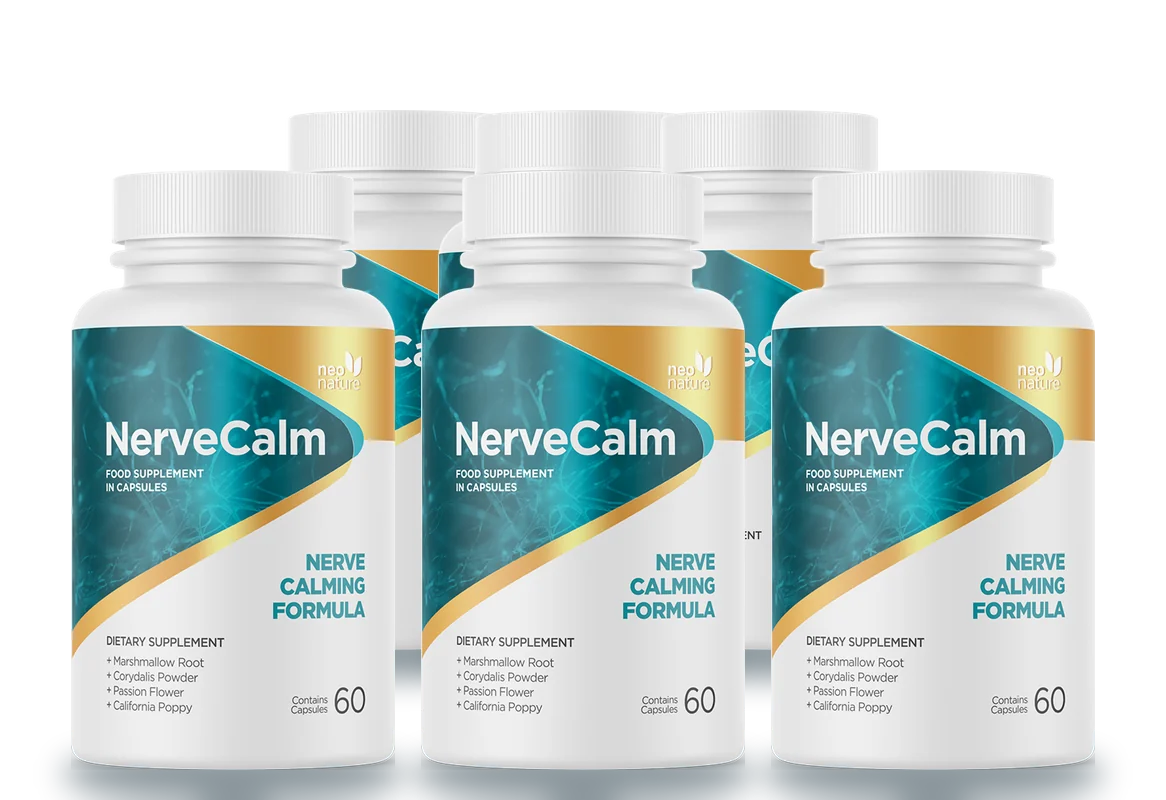
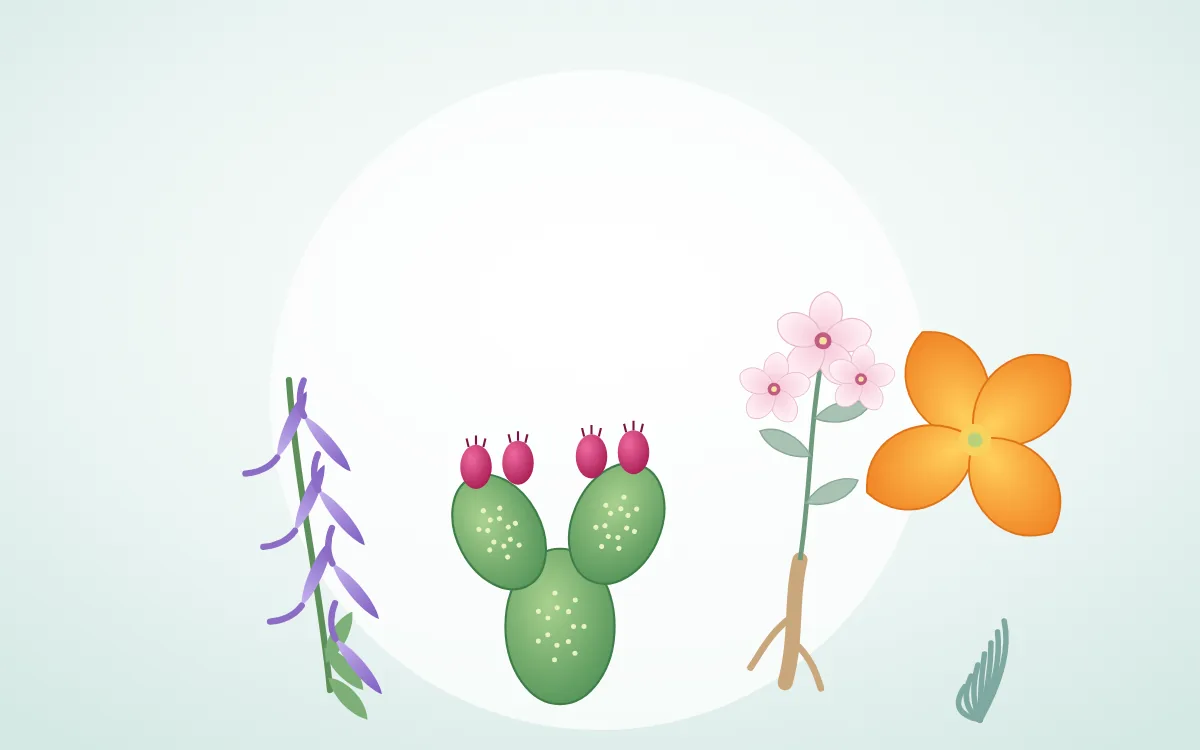
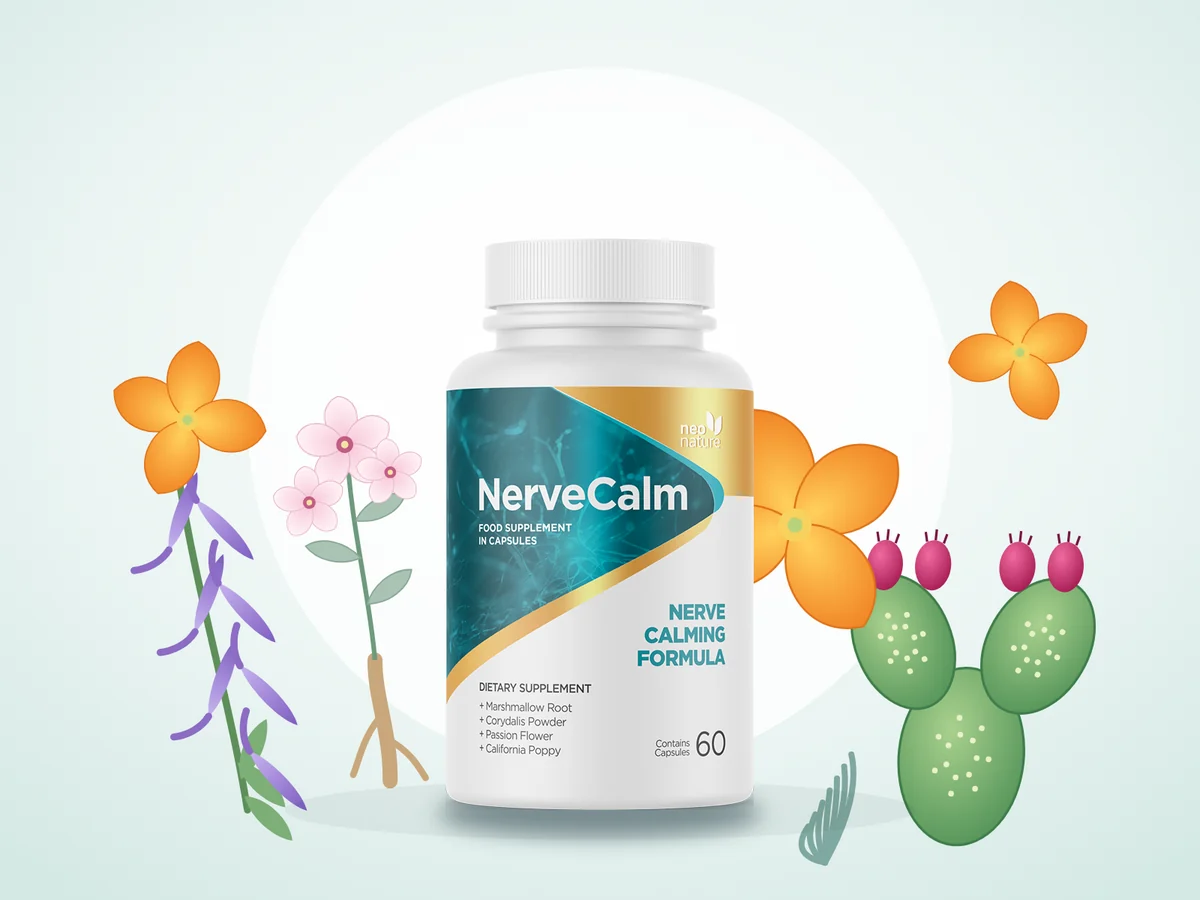
On its order page, the seller lists five names: Corydalis yanhusuo, Opuntia phaeacantha, marshmallow root, California poppy seed and Althaea officinalis. Marshmallow root and Althaea officinalis are the same plant (common name and botanical name), so the formula is built on four botanicals. Exact amounts per capsule aren’t shown on the sales page, so check the Supplement Facts panel on your bottle.
Corydalis yanhusuo
What it is: a flowering plant in the poppy family. Its tuber, known as yan hu suo, is a long-standing part of traditional Chinese herbal practice, where it has mainly been used for everyday aches.
What we know: its alkaloids, especially tetrahydropalmatine (THP), have been studied mostly in the lab and in animals. WebMD notes that its benefits in humans are not well defined.
Safety notes: it can cause drowsiness or nausea, and liver injury has been reported in some people using corydalis products. Avoid it if you have liver problems or are pregnant or breastfeeding, and ask a doctor before combining it with sedatives or other medicines.
Prickly pear (Opuntia)
What it is: the familiar paddle cactus of the Americas. Opuntia phaeacantha is native to the U.S. Southwest. Its pads (nopales) and fruit are eaten as food and contain plant antioxidants.
Safety notes: prickly pear may lower blood sugar. A published case report described low blood sugar in a person who combined prickly pear with diabetes medicines. If you take diabetes medication, talk to your doctor and monitor your levels.
Marshmallow root (Althaea officinalis)
What it is: the root of a pink-flowered plant, not the confection. Mount Sinai notes it has been used as both a food and a remedy for more than 2,000 years. Its mucilage, a soft, gel-forming fibre, is what gives it its soothing reputation.
Safety notes: generally considered well tolerated. Because it coats the digestive tract, it may slow the absorption of other medicines, so space them apart. One study suggests it may lower blood sugar.
California poppy
What it is: California’s bright orange state flower (Eschscholzia californica). It has traditionally been brewed as a tea to support relaxation and sleep. Nerve Calm’s seller lists California poppy seed.
What we know: reference sources describe it as containing compounds that may encourage relaxation and sleepiness, but good-quality human research is limited.
Safety notes: it may add to the effects of sedative medicines and alcohol. Avoid it during pregnancy and breastfeeding.
Safety summary
Talk to your doctor or pharmacist before taking Nerve Calm if you are pregnant or breastfeeding, have liver disease, take sedatives, sleep aids, antidepressants, blood thinners or diabetes medication, or have surgery planned. Take it apart from other medicines, as the seller suggests. Stop and seek advice if you notice yellowing skin or eyes, dark urine, unusual tiredness or other new symptoms.
Want the bigger picture? See the Nerve Calm product overview or how to take it.
Sources
- WebMD — Corydalis yanhusuo
- Mount Sinai Health Library — Marshmallow
- TRC Natural Medicines via Vital.ly — California poppy
- Sobieraj & Freyer, Ann Pharmacother 2010 — prickly pear and hypoglycemia (PubMed)
This article is for general education and does not replace personal medical advice. Talk to your doctor about your symptoms and before starting any supplement.