What “nerve discomfort” means
Your peripheral nerves carry signals between your brain and spinal cord and the rest of your body. When those nerves are irritated, compressed or damaged, the signals get distorted. You might feel sensations that aren’t really there (tingling or burning), or stop feeling things you should, like a pebble in your shoe.
Doctors call damage to these nerves peripheral neuropathy. The U.S. National Institute of Neurological Disorders and Stroke (NINDS) notes that more than 100 types have been identified, each with its own pattern of symptoms.
Common causes
- Diabetes. Long-term high blood sugar is one of the leading causes of nerve damage in the United States.
- Injury or pressure. Accidents, repetitive strain, or a disc pressing on a nerve root, as in sciatica.
- Nutritional gaps. Low vitamin B12 in particular, which can follow from diet, absorption problems or some medicines.
- Alcohol. Heavy, long-term drinking can damage nerves directly and through poor nutrition.
- Medications and toxins. Some chemotherapy drugs and certain antibiotics, as well as heavy metals.
- Autoimmune and infectious conditions. Such as lupus, shingles (postherpetic neuralgia) and Lyme disease.
- Inherited conditions. Some neuropathies run in families.
Typical symptoms
Symptoms depend on which nerves are involved. Sensory nerves cause tingling, burning, numbness, sharp jabs or extreme sensitivity to touch, often starting in the toes and moving upward. Motor nerves can cause weakness or cramps. Autonomic nerves affect things like sweating, digestion and blood pressure.
When to see a doctor
Book an appointment if symptoms are new, getting worse, or affecting sleep, balance or daily life. Seek urgent care for sudden weakness, numbness on one side of the body, loss of bladder or bowel control, or a foot wound that won’t heal.
Finding the cause matters. Some causes, like low B12 or blood sugar that isn’t well controlled, can be addressed directly. The Carle Health neuropathy guide notes that symptoms often improve when the underlying cause is treated.
What you can do
Work with your doctor on the cause, then support your nerves day to day: keep blood sugar steady, stay active, protect your feet, limit alcohol and sleep well. Our guide to 8 daily habits for healthy nerves covers each one.
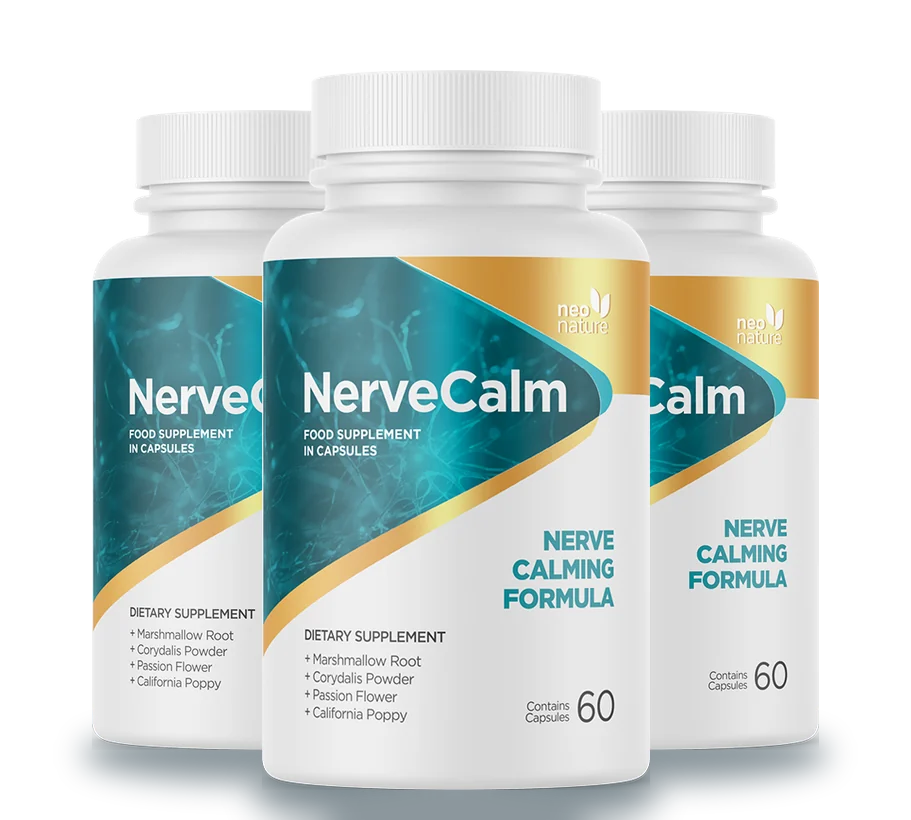
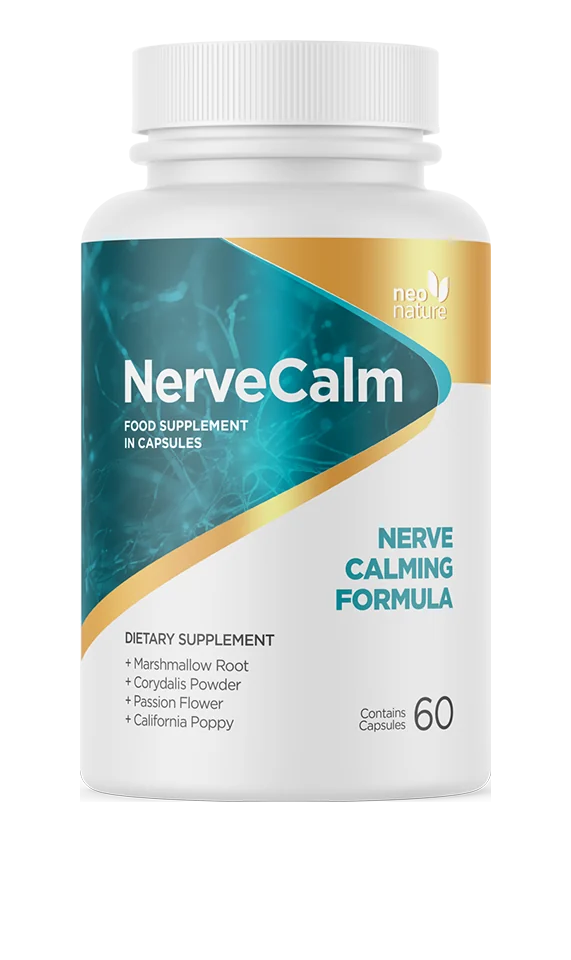
Some people also add an herbal supplement such as Nerve Calm to their routine. If you do, choose one with a clear ingredient list, check it with your pharmacist, and treat it as support, not a substitute for care.
Sources
- NINDS — Peripheral Neuropathy
- Carle Health — Peripheral Neuropathy
- BrainFacts.org (from NINDS) — Peripheral Neuropathy
This article is for general education and does not replace personal medical advice. Talk to your doctor about your symptoms and before starting any supplement.